

By James Kamara-Manneh
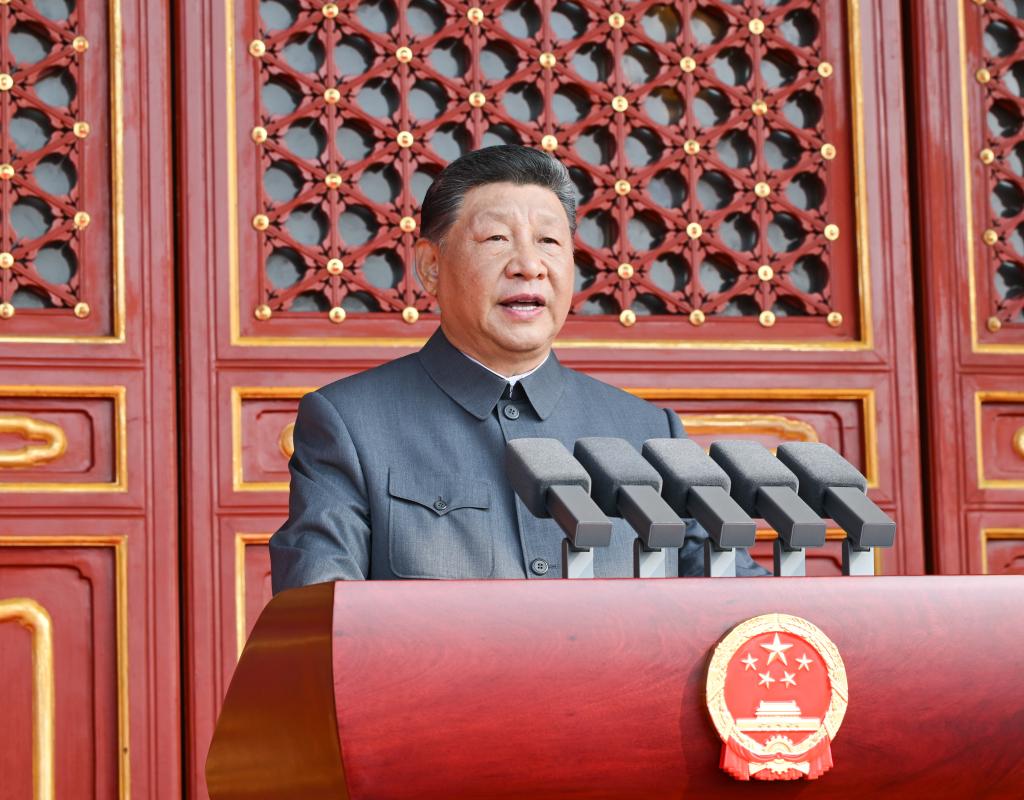
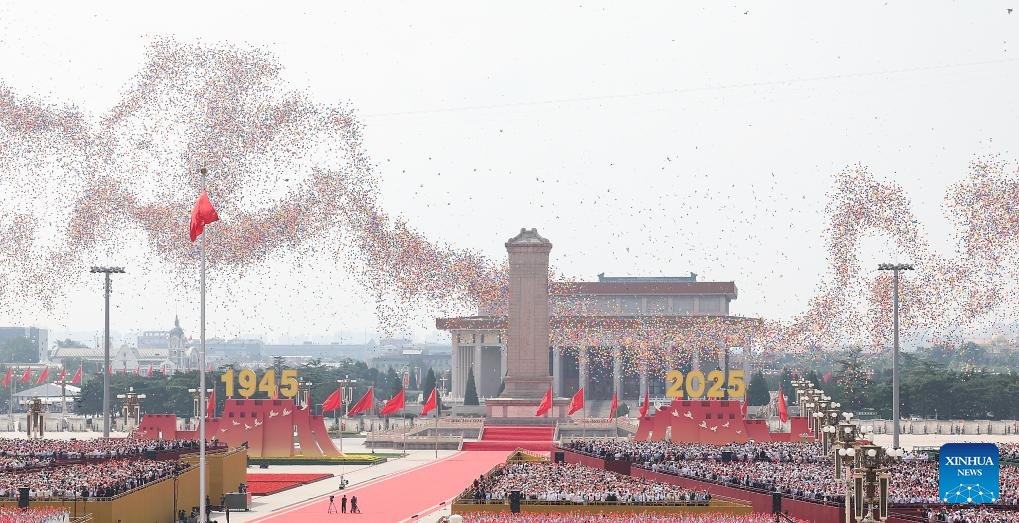
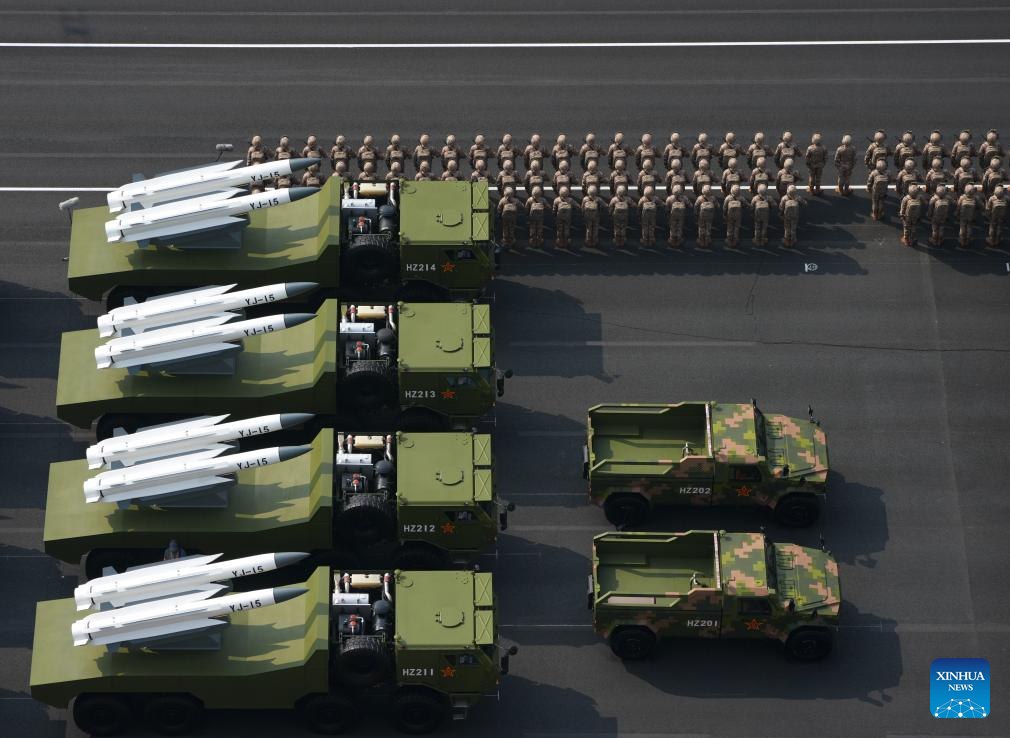
On September 3, 2025, Beijing’s Tian’anmen Square hosted a grand spectacle: a massive military parade marking the 80th anniversary of China’s victory in World War II. President Xi Jinping reviewed more than 10,000 troops, advanced weaponry, and peacekeeping units, underscoring both China’s painful past and its modern strength.
While the parade celebrated China’s liberation from foreign aggression, it also spoke to a universal theme: the long struggle of nations to rise from oppression, conflict, and division toward dignity and renewal. For Sierra Leone a country that endured the horrors of a brutal civil war the story of liberation resonates deeply.
China’s liberation story is rooted in the 20th century, when the country endured the so-called “century of humiliation.” Invasions, unequal treaties, and civil strife left the nation fractured. The Japanese invasion of 1931 marked the beginning of 14 years of resistance.
With 35 million military and civilian casualties, China bore one of the heaviest burdens of World War II. Yet its eventual victory in 1945 marked the first time in modern history that China had achieved a complete triumph against foreign aggression. This victory laid the foundation for the establishment of the People’s Republic of China in 1949, a defining moment in the nation’s liberation.
Liberation for China meant more than sovereignty; it was the restoration of dignity. It transformed the image of a weakened nation into one capable of standing shoulder to shoulder with global powers.
Sierra Leone’s story of liberation, though different in context, carries similar lessons of resilience. Between 1991 and 2002, the country was torn apart by an 11-year civil war marked by atrocities, displacement, and economic collapse. Over 50,000 lives were lost, and countless more were scarred by violence, exploitation, and poverty.
The end of the war, symbolized by the signing of peace accords and the intervention of international peacekeepers, was Sierra Leone’s moment of liberation. Like China in 1945, Sierra Leone emerged from devastation with a new determination: to rebuild, reconcile, and reclaim its dignity.
The establishment of democratic governance, truth and reconciliation processes, and community rebuilding efforts reflected the country’s journey from conflict to peace. Liberation, in this sense, meant freedom from violence and the opportunity to chart a path toward stability and development.
Eighty years after China’s WWII victory, the country now speaks of “national rejuvenation” modernization by 2035, global leadership in technology, and a strong, disciplined People’s Liberation Army. Liberation has evolved into a broader vision: freedom from poverty, technological dependence, and global marginalization.
Sierra Leone, too, has its own path of rejuvenation. Post-war recovery has centered on rebuilding institutions, expanding education through programs like Free Quality School Education, and promoting economic growth through agriculture and mining. The country’s peacekeeping contributions abroad — Sierra Leonean troops have served in places like Sudan and Somalia — reflect a shift from victim to participant in global peace.
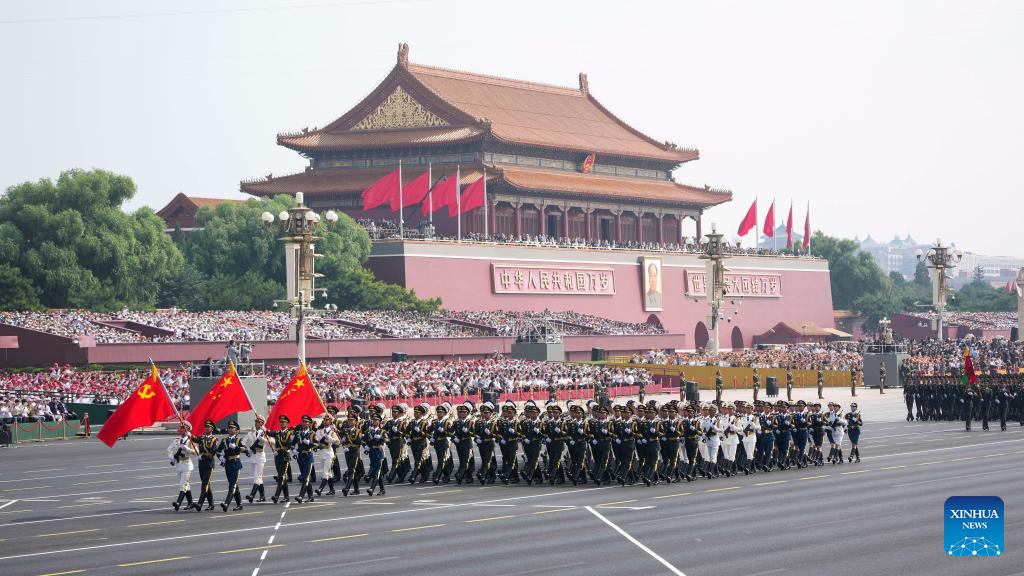
Just as China displayed its peacekeepers at the 80th anniversary parade, Sierra Leone has also shown that nations once ravaged by war can become exporters of peace and stability.
China and Sierra Leone’s liberation journeys, though distinct, share important lessons:
Sacrifice and Resilience: Liberation always comes at a high cost whether the millions of Chinese lives lost during WWII or the thousands of Sierra Leoneans who perished in civil war.
Unity as Strength: Both nations learned that internal division makes them vulnerable, but unity in struggle lays the foundation for recovery.
Liberation as Responsibility: China now assumes a larger role in global peace and development; Sierra Leone has done the same on a regional scale, showing responsibility to its people and beyond.
Liberation as a Continuous Process: Neither country sees liberation as an endpoint. For China, it is tied to modernization and global influence. For Sierra Leone, it is linked to sustainable peace, youth empowerment, and economic independence.
When helicopters flew over Tian’anmen Square carrying banners that read “Justice Prevails, Peace Prevails, The People Prevail,” they carried a message Sierra Leoneans can also embrace. Liberation is not just about victory over an enemy it is about the courage to rise from hardship, the determination to rebuild, and the vision to create a brighter future.
For China, liberation transformed it into a global power. For Sierra Leone, liberation restored peace and offered hope of lasting stability. Both nations remind the world that liberation is not merely a historical milestone but an on-going journey toward dignity, development, and responsibility.qqqqqqqqqqqqqqqqqqqqqqqq